Renovating a bathroom in a leasehold flat
Like-for-like refits often need landlord's consent; moving the bathroom or changing drainage usually needs a formal licence to alter.
In a flat, the bathroom you renovate sits above someone else's ceiling. That is why leases, freeholders and managing agents take bathroom work seriously.
Key takeaways
Read your lease first — it sets out which alterations need consent.
Like-for-like bathroom refits often still need the landlord's written consent.
Moving fittings, changing drainage or creating a new bathroom usually needs a licence to alter.
Freeholders can charge reasonable legal and surveyor fees, sometimes over £1,000–£3,000.
Expect building rules on working hours, protection of common areas and waste removal.
Start with the lease
What your lease says about alterations
Most London leases restrict alterations to the structure and services. Bathrooms involve drainage, water supply and sometimes structural floors, so even a straightforward refit can fall within the lease's consent requirements. If the lease says consent cannot be unreasonably withheld, the landlord generally cannot refuse reasonable improvements, but can set conditions and recover reasonable costs.
Consent
Landlord's consent vs licence to alter
| Work | Usually needs |
|---|---|
| Like-for-like refit, same positions | Landlord's written consent (check the lease) |
| Moving the WC, shower or bath | Licence to alter |
| New drainage connections or a pump | Licence to alter |
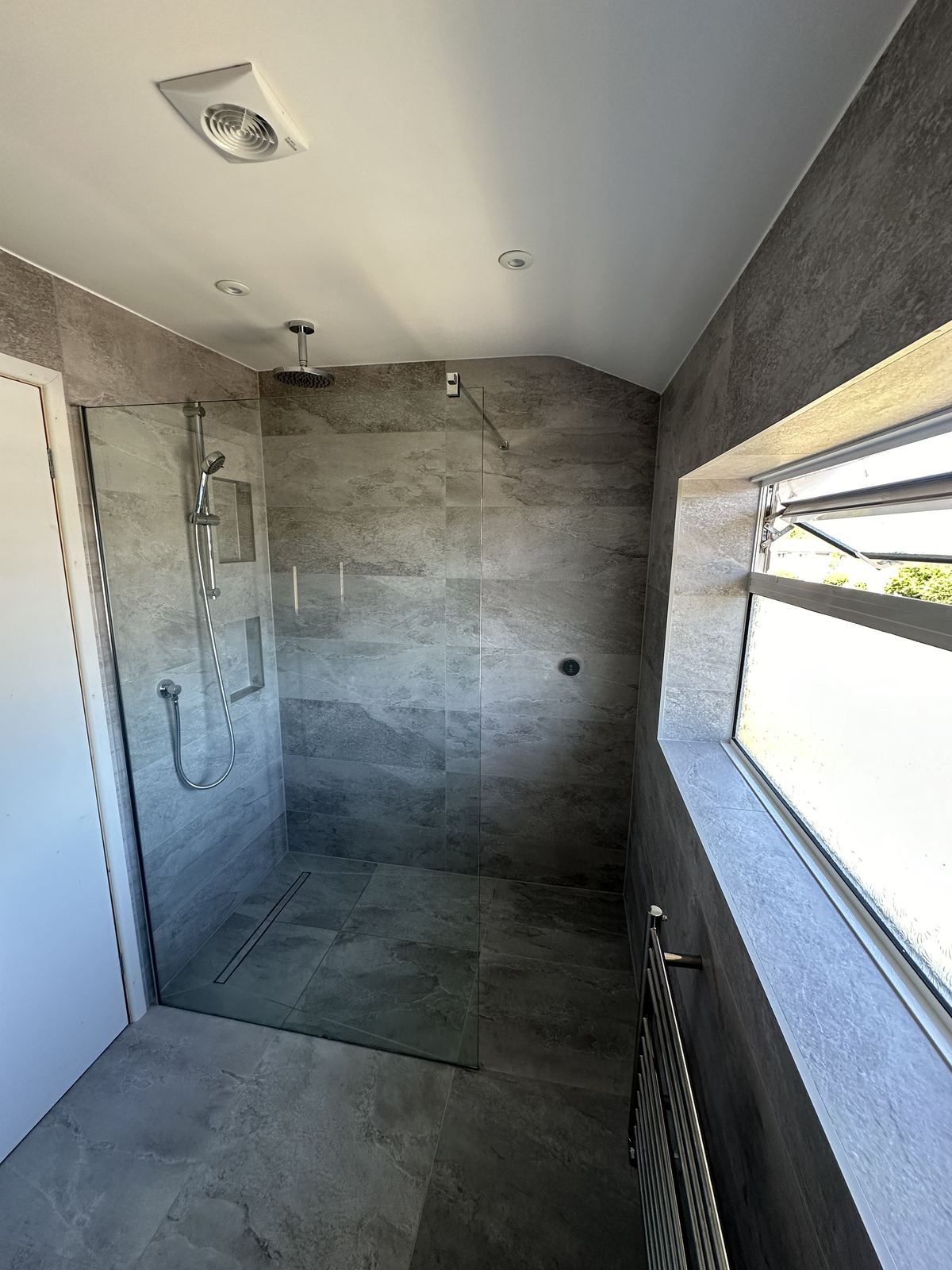
| Converting to a wet room | Licence to alter, often with waterproofing details |
| Removing or moving walls | Licence to alter and structural information |
A licence to alter is a formal agreement that sets out exactly what you can do, how and when. Councils that act as freeholders, such as Kensington and Chelsea, Tower Hamlets and Camden, publish their own processes for leaseholder alterations.
What to prepare
Information freeholders usually ask for
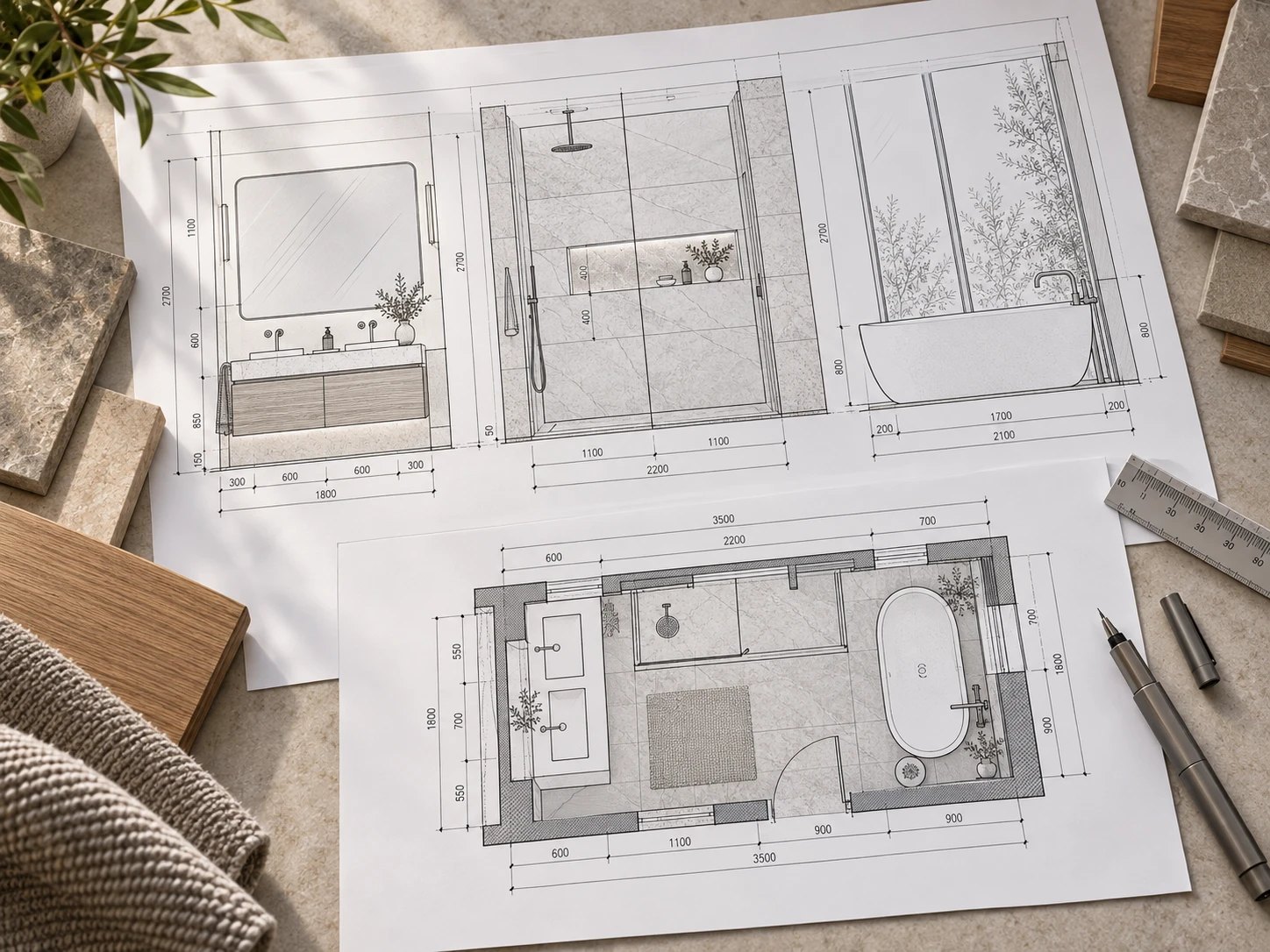
Drawings
Existing and proposed layouts showing fitting positions and drainage routes.
Specification
Waterproofing system, floor build-up and acoustic details.
Method statement
Working hours, protection of common parts, waste removal and access.
Contractor details
Insurance and, for electrical work, registration for self-certification.
Protecting your neighbours
Waterproofing and sound in flats
Leaks into the flat below are the freeholder's main concern. A full tanking system to recognised standards and careful detailing at drains and junctions protect everyone — read more in bathroom waterproofing explained. Hard floor finishes can also transmit more impact sound, so some buildings ask for an acoustic layer.
Timing
Building consent into the programme
Licences can take several weeks. Start the conversation with the managing agent at the design stage, and order long-lead items in parallel. Our bathroom design service produces the drawings and specification freeholders typically request.
FAQ
Frequently asked questions
Often yes — many leases require written consent even for like-for-like work. Check the alterations clause in your lease.
Freeholders can recover reasonable legal, surveyor and admin costs. Totals vary widely; some leaseholders report fees of a few thousand pounds.
If the lease says consent cannot be unreasonably withheld, refusal for a reasonable improvement is difficult — but conditions are common.
Often yes, with the right floor build-up, waterproofing and freeholder approval.
Sources
Sources and further reading
Related services: bathroom design, wet rooms. Related projects: Concrete Calm, Black Frame, White Marble, A Small Room in Marble.